
Cash-First Support: Why Flexible Help Often Prevents Hunger Better Than Food Parcels
// NO DESCRIPTION DATA
Food parcels
Food parcels matter. They keep people alive in crisis. But parcels are not always the most effective way to prevent the next crisis.
Across the UK, more organisations are moving toward cash-first models: emergency payments or flexible vouchers paired with advice and support. The logic is simple: if hunger is caused by lack of money, giving people a controlled amount of money at the right time can stop the spiral.
Feed & Flow supports food projects. We also care about reducing repeat crisis. Cash-first support is one of the clearest tools for that.
Why parcels can fail without being anyone’s fault
Food parcels face limitations:
- they cannot match dietary needs
- they require storage and cooking access
- they can feel stigmatising
- they may not fit cultural needs
- they do not cover non-food pressures that cause hunger (transport, energy, debt costs)
A parcel can feed someone today and still leave them in the same crisis tomorrow.
Cash-first changes the dynamic
Cash-first support does not mean “hand people money and disappear.”
It usually means:
- small crisis grants
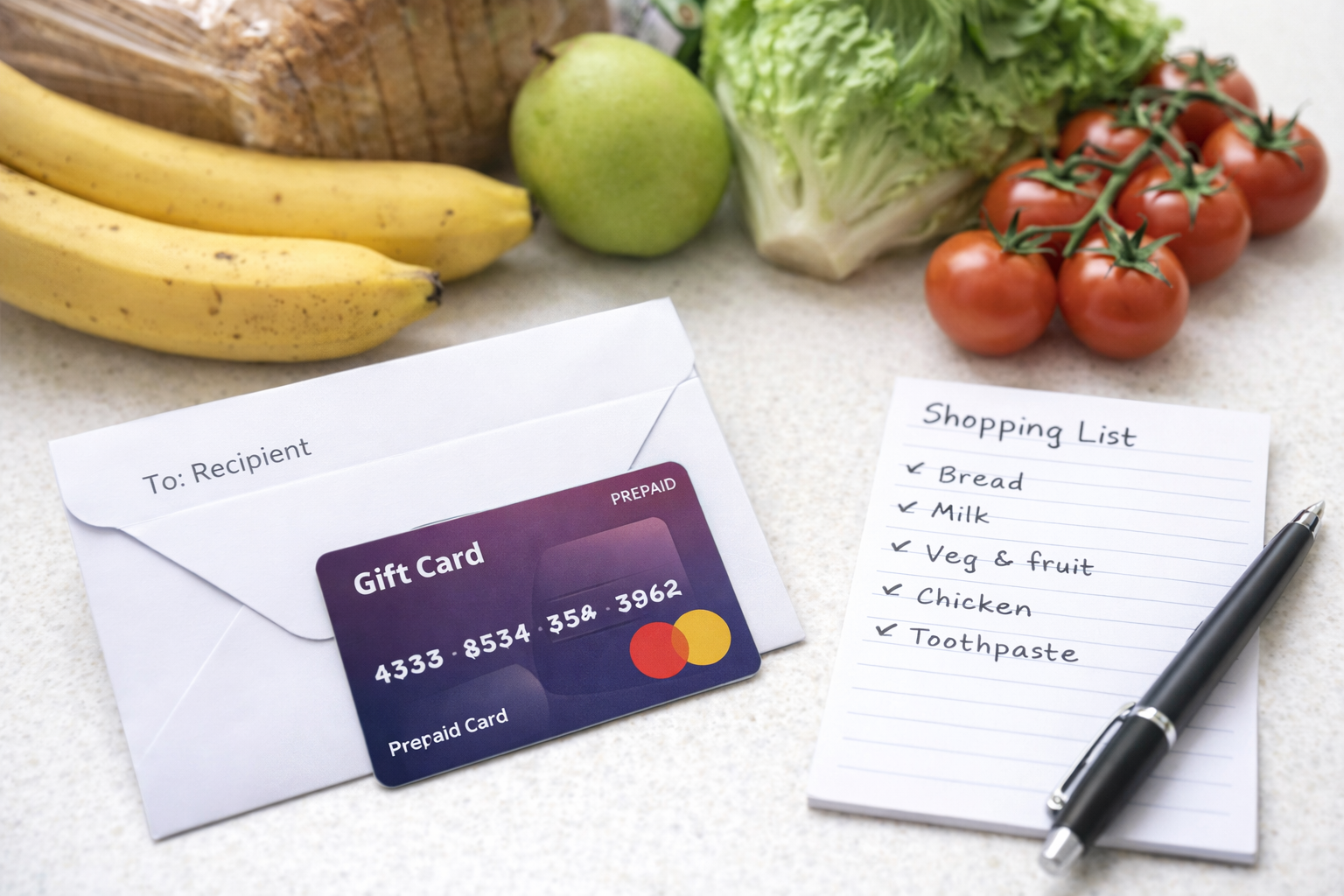
- flexible vouchers usable in mainstream shops
- fast access paired with advice
- support to maximise income and reduce repeat crises
It recognises that people often know what they need most:
- food that works for their household
- baby items
- electricity top-ups
- travel to work or school
- repayment of urgent arrears to prevent escalation
Dignity and control are not soft values
Choice is not a luxury. It is part of effectiveness.
When people can buy food like everyone else, it reduces shame and increases uptake. It also improves nutrition, because households can buy what they actually eat rather than trying to force unfamiliar items into an already stressful week.
When cash-first is not appropriate
Cash-first is not a magic solution. It needs:
- clear safeguarding and eligibility criteria
- partnership with advice services
- practical delivery routes
- funding that can support flexible help reliably
Some households still need parcels, hot meals, or structured provision. The point is not to replace food aid, but to use the right tool for the right moment.
What Feed & Flow looks for in cash-first projects
We back approaches that:
- are fast and accessible in crisis
- avoid humiliating referral barriers
- integrate advice and wider support
- reduce repeat dependency through stability work
- can report clearly on outcomes (not just volume)
The goal is fewer people needing emergency help next month, not just more parcels today.
Why this matters for the wider system
Cash-first approaches reduce pressure on food banks and community kitchens. They also strengthen local resilience because households regain some control and normality.
Feed & Flow supports models that reduce hunger now and build a route out.