
Free School Meals and the Cliff Edge: How Eligibility Rules Shape Child Hunger
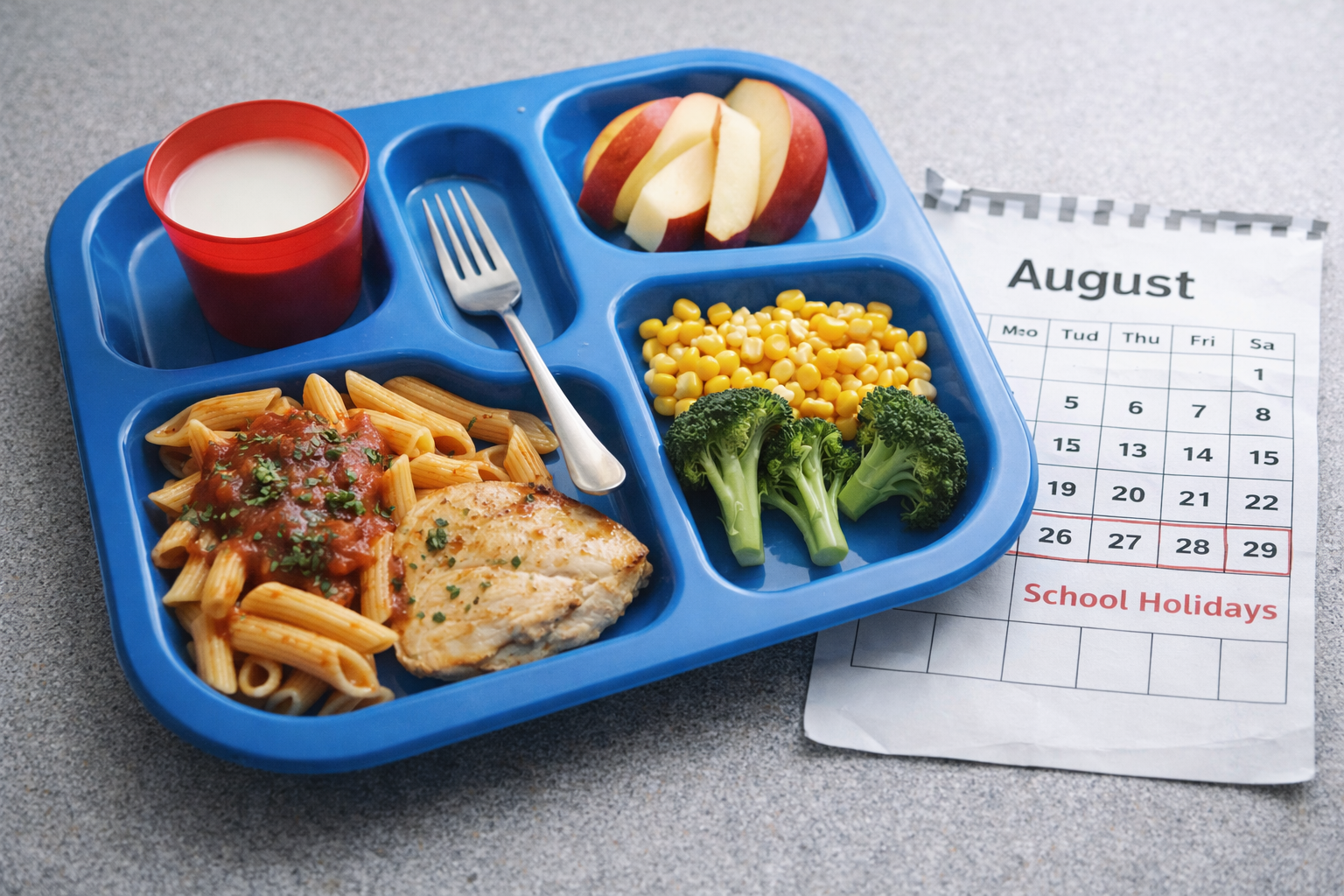
// NO DESCRIPTION DATA
Feed And Flow
School meals are one of the most effective anti-poverty tools because they do something rare: they deliver nutrition directly to children, consistently, without relying on a household’s short-term cash flow.
But eligibility rules can create cliff edges. Families can be poor, working hard, and still miss out. When that happens, hunger moves from a household issue into a school readiness issue, a concentration issue, and a long-term inequality issue.
Feed & Flow supports food projects, including those connected to schools. We also pay attention to policy design because it shapes the size of the gap local projects must fill.
Why free school meals matter beyond lunchtime
A free meal does more than feed a child once.
It reduces:
- household food pressure
- parental stress
- the need for emergency food referrals
- children arriving hungry and unable to focus
In many families, school meals are part of the household budget architecture. Remove them and the week gets harder instantly.
The cliff edge problem
When eligibility is tied to thresholds, families can face this situation:
- wages increase slightly
- benefits adjust
- eligibility disappears
- household costs do not drop
- children lose a stable daily meal
That is not a “reward for earning more.” It is a penalty for being near the line.
Holidays make everything sharper
Even when children receive meals in term time, holidays create a well-known pressure point:
- increased food spend
- increased energy spend
- childcare pressures
- reduced routine and support access
This is why so many community projects see spikes in demand during school breaks.
What Feed & Flow funds in the school food ecosystem
Feed & Flow supports partners who:
- provide reliable holiday provision
- reduce stigma with universal or discreet models
- connect families to advice and wider support
- work with schools, family hubs, and community kitchens
- focus on nutrition and dignity, not only volume
The best projects protect children while also helping families stabilise.
What success looks like
A stronger system means:
- fewer children arriving at school hungry
- less emergency demand during holidays
- more consistent nutrition for households near the poverty line
- less reliance on crisis-only charity infrastructure
Feed & Flow exists to strengthen that system, locally and practically, where the gaps are most damaging.