
Holiday Hunger Isn’t Just Food: Why Access and Coordination Decide Whether Families Eat
// NO DESCRIPTION DATA
What the HAF programme does well, and what it can’t do alone
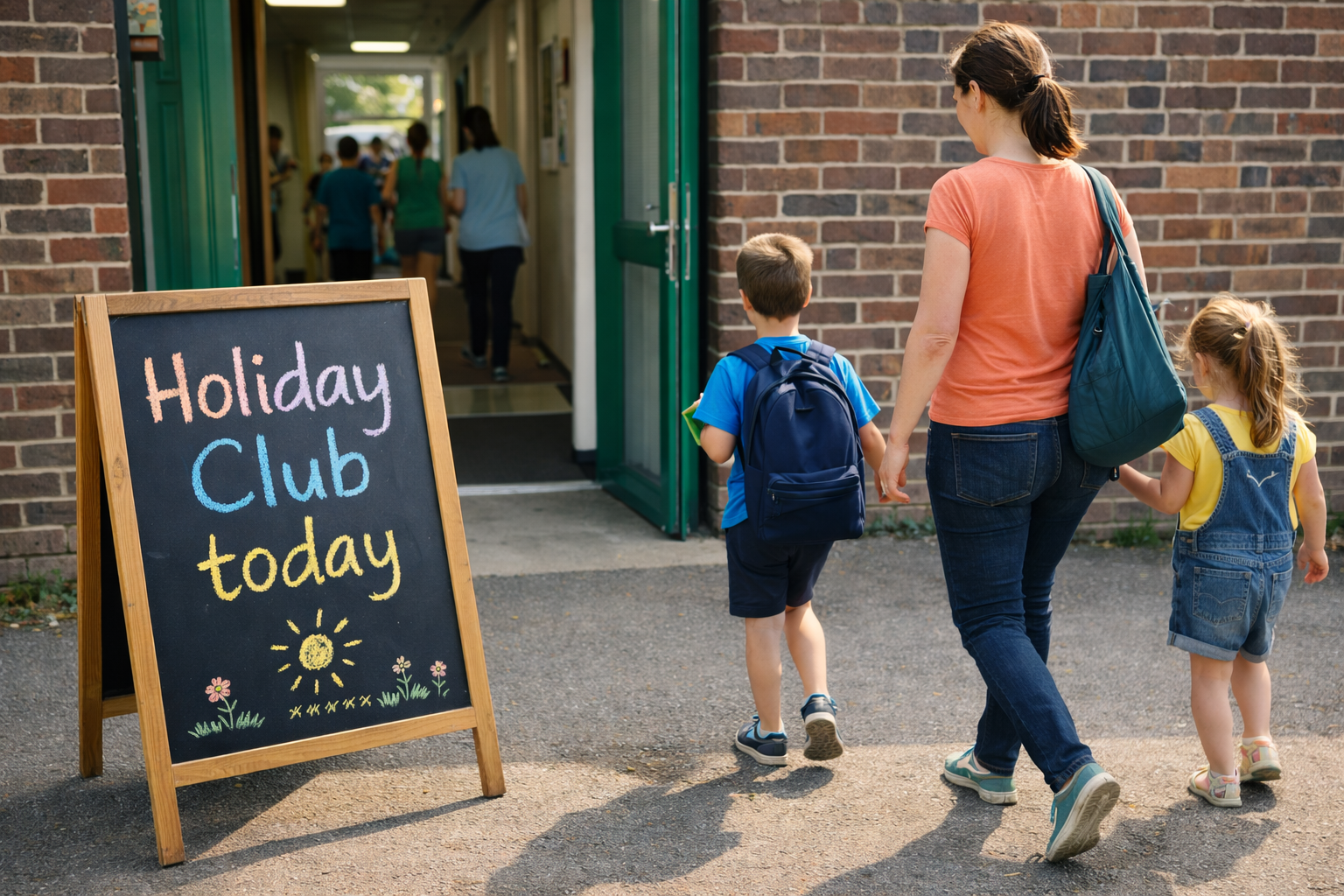
England’s Holiday Activities and Food (HAF) programme is designed to provide healthy meals and activities during school holidays for children from low-income families. Since 2022 it has delivered millions of “HAF days.”
That matters. It reduces isolation, provides routine, and makes holidays safer for children who would otherwise be stuck indoors with stress around food.
But it is not a universal system. It is primarily targeted at children eligible for benefits-related free school meals, with limited flexibility for others who still struggle.
The “near-miss” families
Many families sit just outside eligibility lines. Others are eligible but do not get the message, miss the sign-up window, or cannot reach provision.
Common barriers include:
- transport costs and time
- limited local places
- complex booking systems
- parents juggling work shifts
- families moving between temporary addresses
- children with additional needs needing tailored provision
When access is hard, support becomes something “for other people,” even when the family is struggling.
Why food is only one part of the holiday load
During holidays, household pressure spikes across multiple areas:
- higher food spend and constant snacking
- higher energy use from being home more
- higher costs for travel to free activities
- higher childcare stress for working parents
- children’s boredom turning into conflict and worry
If support focuses only on meals, it can miss the reality of what families are dealing with.
What makes holiday support actually usable
The best holiday support ecosystems tend to have:
- simple access routes (schools, trusted local hubs)
- walkable provision or travel support
- quiet outreach that protects dignity
- flexible models for children not in FSM households but still vulnerable
- links into advice, housing support, and practical help
This is why local networks matter. Holiday hunger is not solved by one programme. It is solved by coordination.
How Feed & Flow approaches holiday pressure
Feed & Flow strengthens holiday resilience by backing projects that:
- connect families to provision early
- reduce access friction (travel, signposting, support workers)
- build dignity-first environments, not “queues”
- link food support to wider stability services
When the holiday system works, families do not just eat. They breathe.