
“Any Food” Isn’t Always Safe Food: Medical Diets and Hidden Hunger
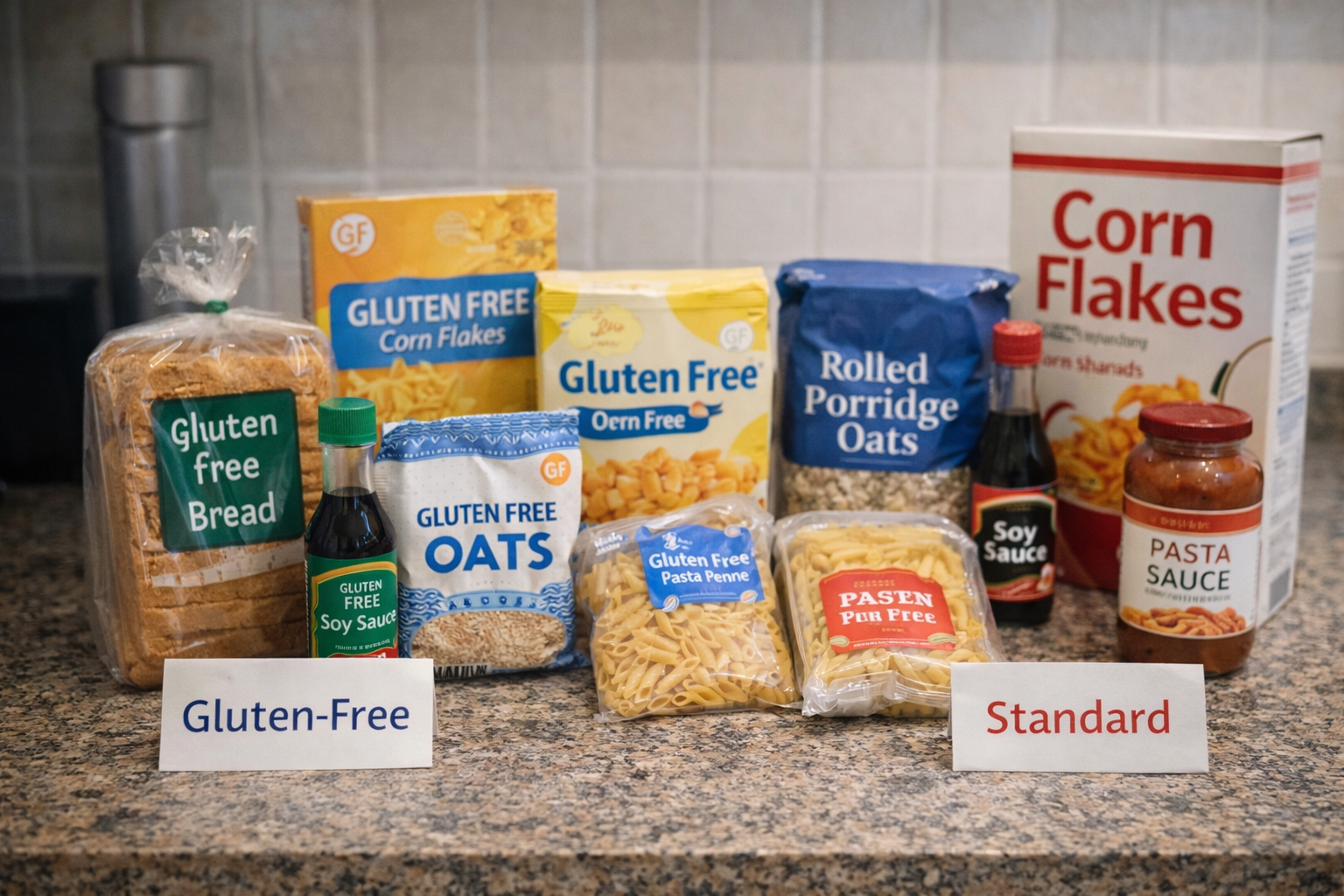
// NO DESCRIPTION DATA
Insecurity
Food insecurity is often treated as a calorie problem. For many households, it is also a safety problem.
If someone has a medically required diet, “any food” can be useless, or dangerous.
The groups most affected
This shows up in households dealing with:
- coeliac disease and gluten-free requirements
- severe allergies (nuts, milk, eggs)
- diabetes needing predictable meals
- kidney disease and restricted diets
- conditions requiring soft foods or specific nutrition
- children with additional needs and strong sensory limitations
When the budget collapses, people do not just eat “less well.” They can lose access to food they can safely eat.
Why standard food aid can fail here
Traditional parcels often include:
- items that require cooking and energy
- foods that include allergens
- foods that are high sugar or hard to manage medically
- items that do not match a household’s dietary constraints
Even when the intention is good, the outcome can be:
- waste
- shame
- unsafe substitutions
- worsening health
This creates a hidden hunger: people have food around them, but not food they can use.
What dignity-first, medically aware support looks like
Better support systems offer:
- choice-based models (pantries, social supermarkets)
- vouchers or cash-first support for safe items
- partnerships with projects that understand dietary needs
- respectful intake that does not force disclosure in public
Medical diets should not be treated as “preferences.” They are needs.
How Feed & Flow approaches this
Feed & Flow supports projects that build stability, not just volume.
That includes:
- backing choice-led models where people can select what works
- funding the extra cost of appropriate options when needed
- ensuring culturally and medically appropriate food is part of the dignity standard
Hunger prevention is stronger when it includes the people who are easiest to exclude by accident.