
Pet Food Trade-Off: When Families Skip Meals to Keep the Dog or Cat Fed
// NO DESCRIPTION DATA
Household Pets
A lot of households treat pets as family. That’s not sentimental. It’s real. Pets provide companionship, stability, routine, and emotional support, especially in hard times.
That’s also why pet costs can become a hidden hunger pressure point.
The Trade-Off Happens Quietly
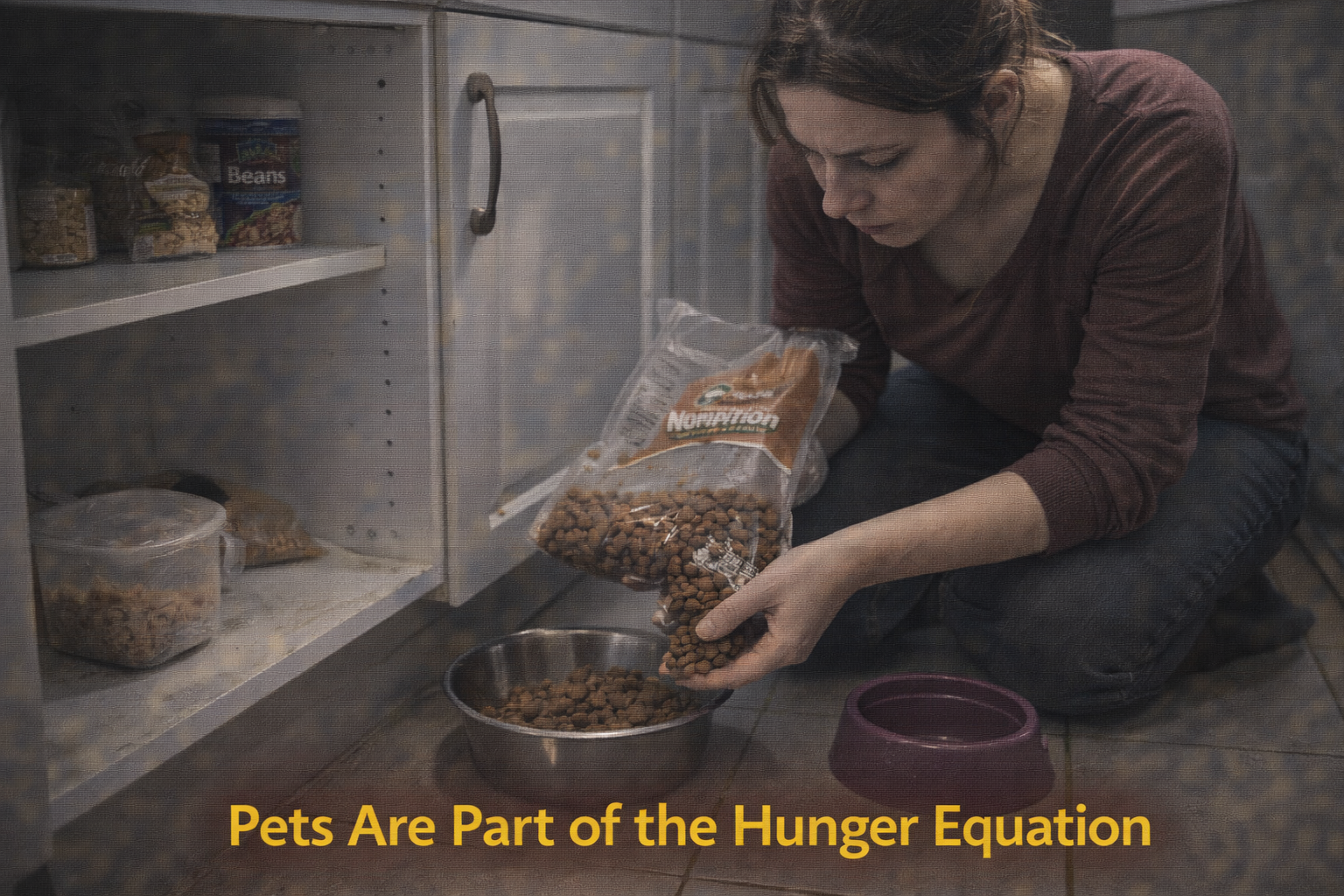
When budgets snap, people cut back in predictable ways: fewer meals, smaller portions, less variety. But many will still try to keep their pet fed, even if it means they eat less themselves.
They do this because the pet isn’t optional in their life. It’s support. It’s attachment. It’s often the only consistent comfort in a stressful household.
Why This Is a Dignity Issue
People are often ashamed to admit they’re struggling to feed a pet. They expect judgement: “You shouldn’t have an animal if you can’t afford it.” That pushes the problem underground.
The result is the worst of both worlds. Families struggle, pets struggle, and the household avoids asking for help until things are severe.
Hunger Support Should Understand Real Household Priorities
If you want to support people effectively, you need to understand what they will protect first. For some households, the pet is part of their coping system. Ignoring that reality makes support less connected to how people actually live.
This doesn’t mean feeding pets replaces feeding people. It means hunger interventions should be aware of the trade-offs families are making quietly.
Feed & Flow Can Partner Without Creating Shame
This is a practical partnership opportunity with local animal charities, vets, shelters, and community hubs. Even small support can relieve pressure quickly. More importantly, it can reduce the shame barrier that keeps families silent.
Because for some people, skipping meals isn’t only about money. It’s about not being willing to abandon the one thing that keeps them steady.